Pungo, Creeds & Red Mill
A guide to sourced local food in three distinct communities in rural southern Virginia Beach — every listing keeps its own real, sourced community area; this page just organizes them together for browsing.
About these areas
- Pungo
- Virginia Beach’s own tourism site describes Pungo as “23,000 acres of country roads, verdant farmland and rural charm,” the city’s agricultural district just west of Sandbridge. An informal, colloquial place name with no legal boundary — see “Our standards.”
- Creeds
- A small, rural hamlet in the far southeastern corner of Virginia Beach, home to fewer than 1,500 people and long served by the Creeds Ruritan Club. Also an informal, colloquial name, distinct from Pungo even though sources sometimes describe the two loosely together.
- Red Mill
- A commercial and residential corridor around Nimmo Parkway and Upton Drive, anchored by the Red Mill Commons shopping center — closer to the Oceanfront than Pungo or Creeds, and treated here as its own distinct area, not folded into either.
- Nearby areas
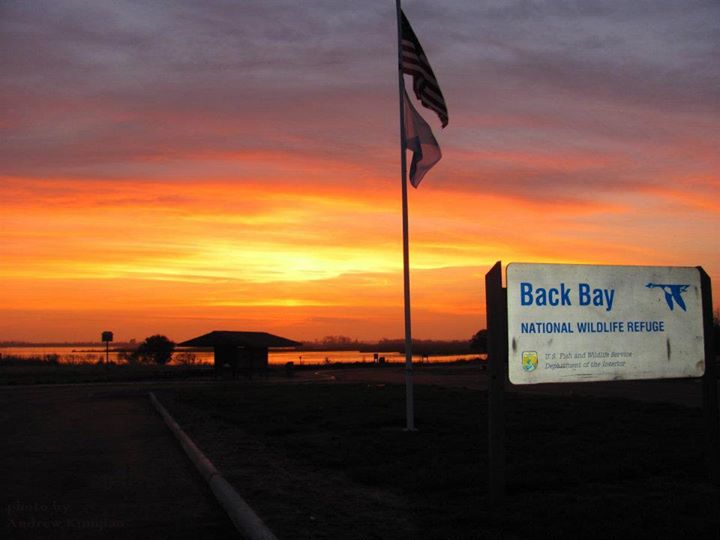
- Sandbridge, Back Bay, and other adjacent Southern Virginia Beach communities appear here only when a listing has a real, sourced connection — always labeled “nearby,” never presented as located in Pungo, Creeds, or Red Mill.
Food and place
Where the food in this guide comes from, and why — sourced to museums, historical societies, government agencies, and established journalism, never invented. Each fact below is labeled by how well-established it is; expand any card for its full sources.
Pungo
A name with an Indigenous origin
Documented historyPungo's name is documented as coming from Machiopungo, described as a chief of the Machipungo, a branch of the Chesapeake (Chesepian) people who lived in this part of southeastern Virginia before sustained English settlement.
Sources & more detail
The Chesepian are recorded as having roughly 350 people by 1607 and as having been destroyed by Chief Powhatan shortly before the English arrived at Jamestown — reportedly because Powhatan's priests had prophesied that a nation would rise from the Chesapeake Bay to end his rule. The tribe is recorded as having ceased to exist by 1669. No source checked for this guide documents a continuous Indigenous community in the immediate Pungo area after that point, and no present-day tribe's own materials were found describing historical territory specifically here — the Chesepian did not survive to leave their own account of this history, and what's recorded comes from a 1618 colonial-era secondary account (William Strachey) and later historical synthesis, not a community-authored source.
Genuinely thin evidence for anything beyond the place-name itself — recorded honestly as a naming fact, not expanded into a broader claim about Pungo's Indigenous history than the sources support.
- Source: Wikipedia — Pungo, Virginia (checked Aug 2026)
- Source: Wikipedia — Chesapeake people (checked Aug 2026)
- Source: LocalWiki (Southside Hampton Roads) — "Native Americans of South Hampton Roads in Sources" (checked Aug 2026)
Strawberries here since before Jamestown
Documented historyGrown, raised, or caught locallyColonist George Percy recorded finding "fine and beautiful Strawberries, four times bigger and better than ours in England" near the First Landing site on April 26, 1607 — the same stretch of southeastern Virginia that includes today's Pungo.
Sources & more detail
- Source: Visit Virginia Beach — "Strawberry Season Returns to VA Beach" (checked Aug 2026)
Pungo still grows most of the city's strawberries
Continuing traditionGrown, raised, or caught locallyVirginia Beach produces roughly 400 acres of strawberries a year, and most of that crop is grown on family farms in Pungo — a direct continuation of the 1607 record above, not just a similar coincidence.
Connects to: Cullipher Farm, Flanagan Farm
Sources & more detail
- Source: Visit Virginia Beach — "Strawberry Season Returns to VA Beach" (checked Aug 2026)
Six generations at Cullipher Farm
Documented historyPer Virginia Beach's own tourism site, the Cullipher family has farmed in Pungo for six generations spanning nearly 200 years — shifting over time from peanuts, cotton, and tobacco to the fruits and vegetables the farm is known for today.
Connects to: Cullipher Farm
Sources & more detail
- Source: Visit Virginia Beach — "Strawberry Season Returns to VA Beach" (checked Aug 2026)
A festival on hiatus, not gone
Documented historyThe Pungo Strawberry Festival ran every Memorial Day weekend from the 1980s through 2019 — "36 years of a beloved, legacy festival," per one of its own organizers — but has been cancelled every year since 2020 (first for COVID-19, then for parking and land-use problems) and remains on hiatus while organizers look for a new venue.
Sources & more detail
As of this research pass, no announced return date was found in any source checked — presented honestly as dormant, not as a currently-running event.
- Source: WTKR — "Pungo Strawberry Festival has been cancelled for the 5th year in a row" (checked Aug 2026)
Farmland and Back Bay's own history
Documented historyPungo's farmland drains toward Back Bay to its east. Per the Virginia Department of Wildlife Resources, draining former wooded swampland for farming — combined with discharge from large hog farms — contributed to a documented collapse of Back Bay's fishery in the mid-1980s, a reminder that this area's fields and its waters have never been separate stories.
Sources & more detail
- Source: Virginia Department of Wildlife Resources — "Explore Back Bay's Rebound" (checked Aug 2026)
The Winchester (Pungo) Gunning Club
Documented historyPart of a broader regional traditionPungo was home to one of the historic waterfowl-hunting clubs that once ringed Back Bay and Currituck Sound — the Winchester (Pungo) Gunning Club, one of roughly 100 such clubs active at the sport's turn-of-the-century peak, per a 1997 Virginian-Pilot account of the clubs' decline.
Sources & more detail
- Source: The Virginian-Pilot (1997, archived) — "The Guns of Autumn Are Falling Silent" (checked Aug 2026)
Pungo Ferry: crossing to bridge
Documented historyBefore a bridge crossed the North Landing River at Pungo Ferry, a ferry ran people, vehicles, and horses across; a steel turnstile bridge replaced it in 1928, and the high-rise bridge still used today opened in 1991.
Sources & more detail
Sourced to a local history blog rather than a government or academic source — used only for this low-stakes infrastructure detail.
- Source: Moore To See — "Pungo Ferry" (checked Aug 2026)
Asbury Christian Fellowship Church, founded 1871
Documented historyPer the City of Virginia Beach's own African American history driving tour, Asbury Christian Fellowship Church at 1392 Princess Anne Road — originally Asbury United Methodist Church — was founded in the Pungo community in 1871 by African Americans. Its frame building was damaged by a hurricane in 1944 and rebuilt in 1949.
Sources & more detail
Pleasant Ridge School, a school for Black children in first through seventh grades, stood next door at the same address, per the same city source: it opened around 1886, was destroyed by fire around 1918, and closed in 1956, with a renovation completed in 1997. The city's page names no comparable historic African American site specifically in Creeds or Red Mill.
A separate, later-designated historic district connected to a similarly-named Pleasant Ridge School — added to the Virginia Landmarks Register in 2024 — was found during this same research pass but deliberately not included here: the Virginia Department of Historic Resources documents that district's location as the Capps Shop-Centerville community, a distinctly different named place from Pungo, Creeds, or Red Mill.
- Source: City of Virginia Beach — "Take a Self-Guided Driving Tour of African American History" (checked Aug 2026)
Creeds
A schoolhouse built by the New Deal
Documented historyCreeds School was built for the 1939-40 school year with Works Progress Administration funding — a twelve-room building that served grades one through high school for the rural Creeds community until a countywide high school opened in 1954.
Sources & more detail
- Source: Living New Deal — "Creeds Elementary School, Virginia Beach VA" (checked Aug 2026)
Nearly eight decades of the Creeds Ruritan Club
Continuing traditionThe Creeds Ruritan Club has served the community continuously since 1948 — "78 years of Service to Our Community," per its own site — today operating a community complex with a rentable barn and offering local scholarships, per the club chartered with Monroe Mayo as its first president.
Sources & more detail
- Source: Creeds Ruritan Club (official site) (checked Aug 2026)
- Source: The Princess Anne Independent News — "Creeds Ruritan Club" wiki entry (checked Aug 2026)
The Creeds Gunning Club, and decoys carved locally
Documented historyPart of a broader regional traditionLike Pungo, Creeds had its own historic waterfowl-hunting club — the Creeds Gunning Club, one of the roughly 100 clubs that once ringed Back Bay and Currituck Sound, per the same 1997 Virginian-Pilot account. Redhead Bay Café's own dining room, in Creeds, carries this heritage forward directly: it displays carved decoys by local artisans and vintage maps of the Back Bay region, per Coastal Virginia Magazine's feature on the café.
Connects to: Redhead Bay Café
Sources & more detail
- Source: The Virginian-Pilot (1997, archived) — "The Guns of Autumn Are Falling Silent" (checked Aug 2026)
- Source: Coastal Virginia Magazine — "Redhead Bay Café Brings Brunch to Pungo" (checked Aug 2026)
Red Mill
A newer commercial corridor, on land once farmed
Documented historyToday's Red Mill is anchored by the Red Mill Commons shopping center, which opened in 2001. Surrounding residential neighborhoods carry the "Red Mill Farm" name, suggesting the land was farmed before suburban development — but no source checked for this guide confirms exactly when, or whether an actual mill structure ever stood here.
Sources & more detail
The literal origin of the name "Red Mill" is an open question — recorded honestly as unconfirmed rather than invented. A good candidate for a future, more targeted local-archives research pass.
- Source: Wikipedia — Red Mill Commons (checked Aug 2026)
One restaurant within a much larger Hampton Roads story
Documented historyPart of a broader regional traditionOnly at Renee's sits within a documented regional migration: from 1952 to 1991, roughly 35,000 Filipino nationals joined the U.S. Navy through a recruitment program that, despite initially limiting them to lower-paid roles, offered a path to citizenship. Businesses serving the growing Filipino American community "sprouted in the suburban strip malls of southeastern Virginia" from the 1960s onward — historically centered in Virginia Beach's Kempsville neighborhood, not Red Mill itself — and Hampton Roads is now home to an estimated 50,000-plus Filipino Americans, per National Geographic.
Connects to: Only at Renee's
Sources & more detail
Kempsville, not Red Mill, is the documented historic center of Hampton Roads' Filipino American community — Only at Renee's presence in Red Mill is one specific, sourced business within this broader regional story, not evidence that Red Mill itself was a historic hub of that community.
What's made on-site, and what travels in
Documented historyMade locally — ingredient origin not establishedOwner Emma Dizon has said her family "make[s] everything by hand here" at Only at Renee's — with one specific exception: the longganisa (a Filipino sausage), which her father makes in New York and ships to her in Virginia Beach.
Connects to: Only at Renee's
Sources & more detail
A precise, sourced example of the distinction this guide tries to keep: most of the menu is made on-site, but this specific ingredient's origin is documented as coming from outside the region — not blended into a single "locally made" claim.
- Source: National Geographic — "The surprising story of how the Philippines came to Virginia" (checked Aug 2026)
Across the region
Context that spans more than one of this guide’s areas.
She-crab soup: a contested Tidewater tradition
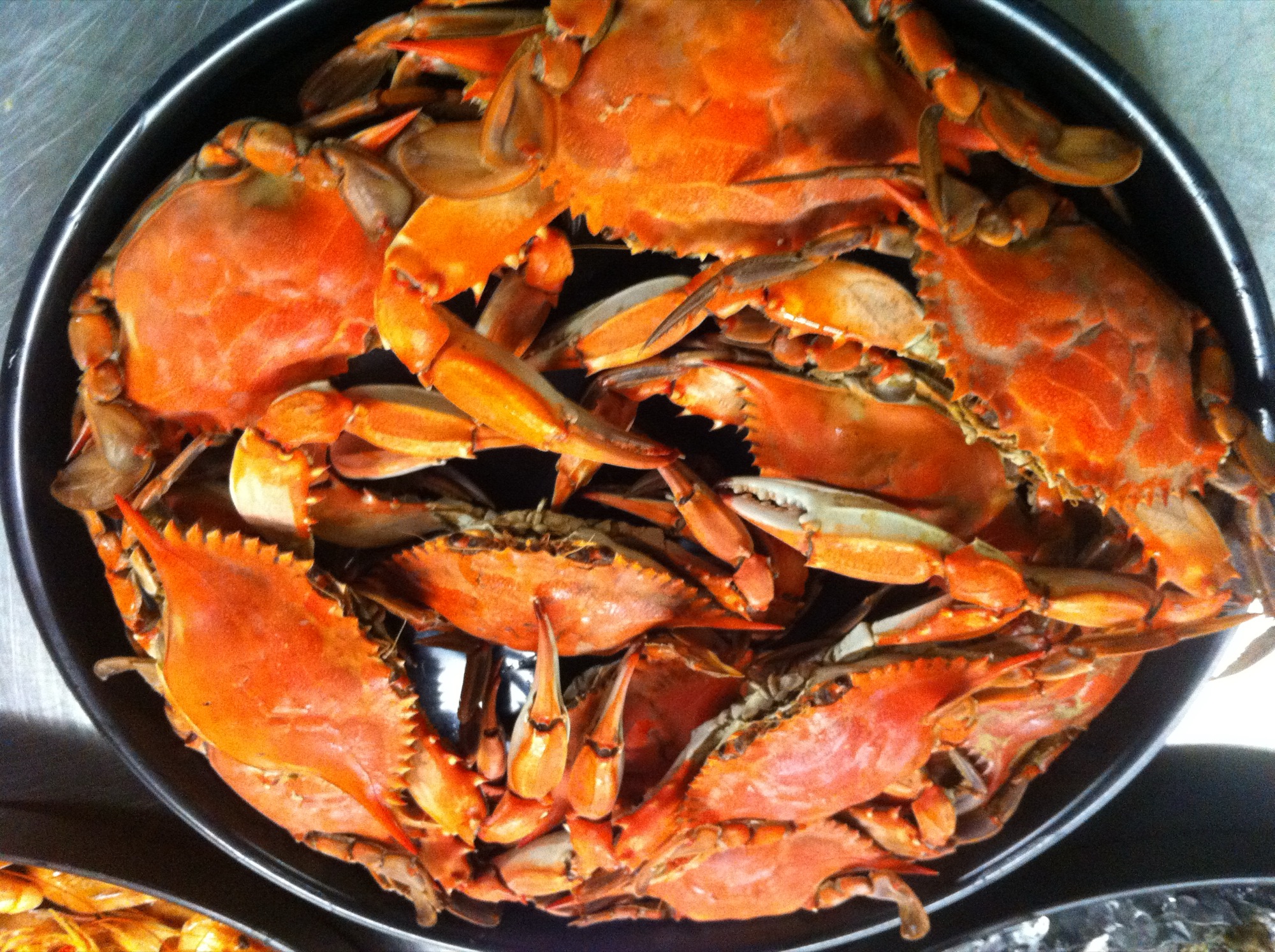
Documented historyPart of a broader regional traditionShe-crab soup's origin is genuinely disputed. Charleston, SC's own account credits a butler, William Deas, with inventing it in 1909 for a presidential visit. A competing account from a Chesapeake-region chef holds that a similar bisque existed earlier in Maryland and Virginia, carried south later. Chesapeake Bay Magazine doesn't resolve which is correct — but notes that today, "almost every restaurant in Virginia's Tidewater region serves some version" of it, regardless of where it began.
Sources & more detail
Not linked to any specific listing in this guide — no restaurant here is independently sourced as serving she-crab soup specifically. Included as regional food-culture context, not a claim about any one business's menu.
- Source: Chesapeake Bay Magazine — "The Secrets of She-Crab Soup" (checked Aug 2026)
- Pungo: 7
- Creeds: 1
- Red Mill: 3
- Nearby Southern Virginia Beach: 2 (nearby)
12 sourced listings in this guide. Closed or relocated businesses never appear here — see each listing’s own page for its current status and last-checked date.
Restaurants
Sit-down and counter-service dining, from waterfront seafood houses to family barbecue.
Category imageThe Bee & The Biscuit
RestaurantVirginia Beach · Pungo area
A breakfast-and-lunch restaurant in a c.1919 cottage at the main intersection of Pungo, Virginia Beach, serving produce grown by local farmers.
Identity verified — see full verification details — last checked Aug 2026
Category imageOnly at Renee's
RestaurantVirginia Beach · Red Mill area
A Filipino restaurant in Virginia Beach's Red Mill area specializing in dishes from Pampanga, Philippines, run by third-generation restaurateurs.
Identity verified — see full verification details — last checked Aug 2026
Category imageBlue Pete's Restaurant
RestaurantVirginia Beach · Pungo area
A waterfront seafood restaurant in the rural Pungo area of Virginia Beach, established in 1972 on the site of a former marina and fish house.
Identity verified — see full verification details — last checked Aug 2026
Category imageRedhead Bay Café
RestaurantVirginia Beach · Creeds area
A breakfast, brunch, and lunch café in Creeds, opened in 2019 by the same family that owns the longstanding Blue Pete's Restaurant, in the building of the former Creeds Café.
Identity verified — see full verification details — last checked Aug 2026
Category imagePungo Boys BBQ
RestaurantVirginia Beach · Pungo area
A family-owned barbecue restaurant in Pungo, smoking proteins and sides low and slow for sixteen hours, with an affiliated mobile food truck.
Identity verified — see full verification details — last checked Aug 2026
Category imageBlue Seafood & Spirits
RestaurantVirginia Beach · Red Mill area
A 60-seat, chef-owned seafood restaurant in the Red Mill Commons shopping center in Virginia Beach.
Identity verified — see full verification details — last checked Aug 2026
Category imageRigoletto Italian Bakery and Cafe
RestaurantVirginia Beach · Red Mill area
An Italian bakery and cafe in the Red Mill Commons shopping center in Virginia Beach, featured on Food Network's Diners, Drive-Ins and Dives for its homemade focaccia.
Identity verified — see full verification details — last checked Aug 2026
Farms & producers
Farm stands, pick-your-own, and CSAs growing and selling directly.
Category imageCullipher Farm
Farm / producerVirginia Beach · Pungo area
A family-run produce farm in the Pungo area of southern Virginia Beach, with an on-farm retail market and seasonal pick-your-own.
- Produce
- Baked goods
Category imageFlanagan Farm
Farm / producerVirginia Beach · Pungo area
A fourth- and fifth-generation family farm on Pungo Ridge in southern Virginia Beach, growing pick-your-own strawberries and fall pumpkins.
- Produce
Category imagePungo Farm
Farm / producerVirginia Beach · Back Bay and Pungo area
An organic-practice CSA farm serving Virginia Beach and Chesapeake with multiple weekly pickup sites.
- Produce
Seafood & markets
Seafood sellers, farmers markets, and other public markets.
Bakeries, sweets & specialty retail
Bakeries, ice cream, and other specialty food retailers that aren't full-service restaurants.
Harvest & Harbor is a free, independently researched project from Empower AI Labs. If this page helped you, support continued local research on Patreon (opens in a new tab).